
Time is ticking. COP30 is just around the corner, and 2030 – the year by which global emissions need to fall by 43% to stay on track for the 1.5-degree target – is less than five years away. Yet, despite the urgency, and despite facing a myriad of challenges, governments and business might be losing sight of the timeline. This year marks a critical moment: countries are expected to submit updated national climate plans, but the reality is, they’re unlikely to close the gap.

So, what does this mean for the built environment? And why should businesses in this sector be thinking seriously about how they communicate sustainability right now?
Let’s start with the obvious: the built environment is responsible for nearly 40% of global carbon emissions. That’s huge. But it’s also one of the most powerful levers we have for climate action.
Beyond reducing emissions through green building design, energy efficiency and circular construction, the sector can actively contribute to climate solutions – from integrating renewable systems into infrastructure, to designing buildings and public spaces that support climate adaptation and resilience. Think solar rooftops, passive cooling, flood-resistant design and nature-based solutions.
The potential is enormous. COP30 needs to be a turning point – not just for governments, but for businesses in the built environment who are uniquely positioned to shape a low-carbon, climate-resilient future. And to do that, they need to communicate it – clearly, consistently, and compellingly. Because effective sustainability comms can raise awareness, build trust and inspire action across the industry and beyond.
One of the key issues facing COP30 this year will be money. Financing the transition to net zero – especially in infrastructure-heavy sectors like construction and real estate – is complex. Without clear, credible pathways for implementation, climate targets risk remaining just words on paper. This is where business voices matter. When companies in the built environment show up, share their progress, and align with COP30’s themes, they help shape the conversation in a way that’s grounded in reality. They also help counter the narrative that climate action is bad for business.
In fact, climate action can be a catalyst for economic opportunity. Climate resilient infrastructure is more insurable and investable. And as regulations tighten and investor expectations shift, businesses that lead on sustainability are better positioned to access capital, win contracts and future-proof their operations. In short, sustainability isn’t just good for the planet – it’s good for the bottom line. So why not make that message louder and clearer?

Sustainability comms isn’t just about purpose anymore – it’s about performance. The messaging that feeds all your global marketing and comms needs to talk about how sustainability drives profitability, resilience, and long-term growth. For businesses in the built environment, that might mean highlighting how a modernised grid fuels economic growth, or how energy efficient retrofits reduce operational costs, or how climate-smart design improves investability.
But it’s not just what we say – it’s how we say it. Language matters more than ever. As COP30 approaches, marketers and communicators need to understand how sustainability language lands with different audiences across the globe. There’s a real perception gap: terms like “net zero”, “sustainable”, or “green” are interpreted in wildly different ways, leading to confusion and misalignment. Establishing a shared, consistent, global language is essential to unify understanding and drive meaningful action.
The built environment has a significant role to play in the climate transition – and it’s time for the sector to speak up. Whether it’s through data-backed thought leadership that highlights a challenge or an opportunity, on-the-ground storytelling that brings the industry’s work to life, or executive profiling that positions businesses as champions of accelerating the transition, having a unified, global sustainability marketing strategy in place can help bridge the gap between ambition and action.
If COP30 is to be more than just another climate conference, businesses – especially those shaping the spaces we live and work – need to speak up and show they’re part of the solution – and that the solution makes smart economic sense for everyone.
Find out how you can use thought leadership to supercharge brand and sales.
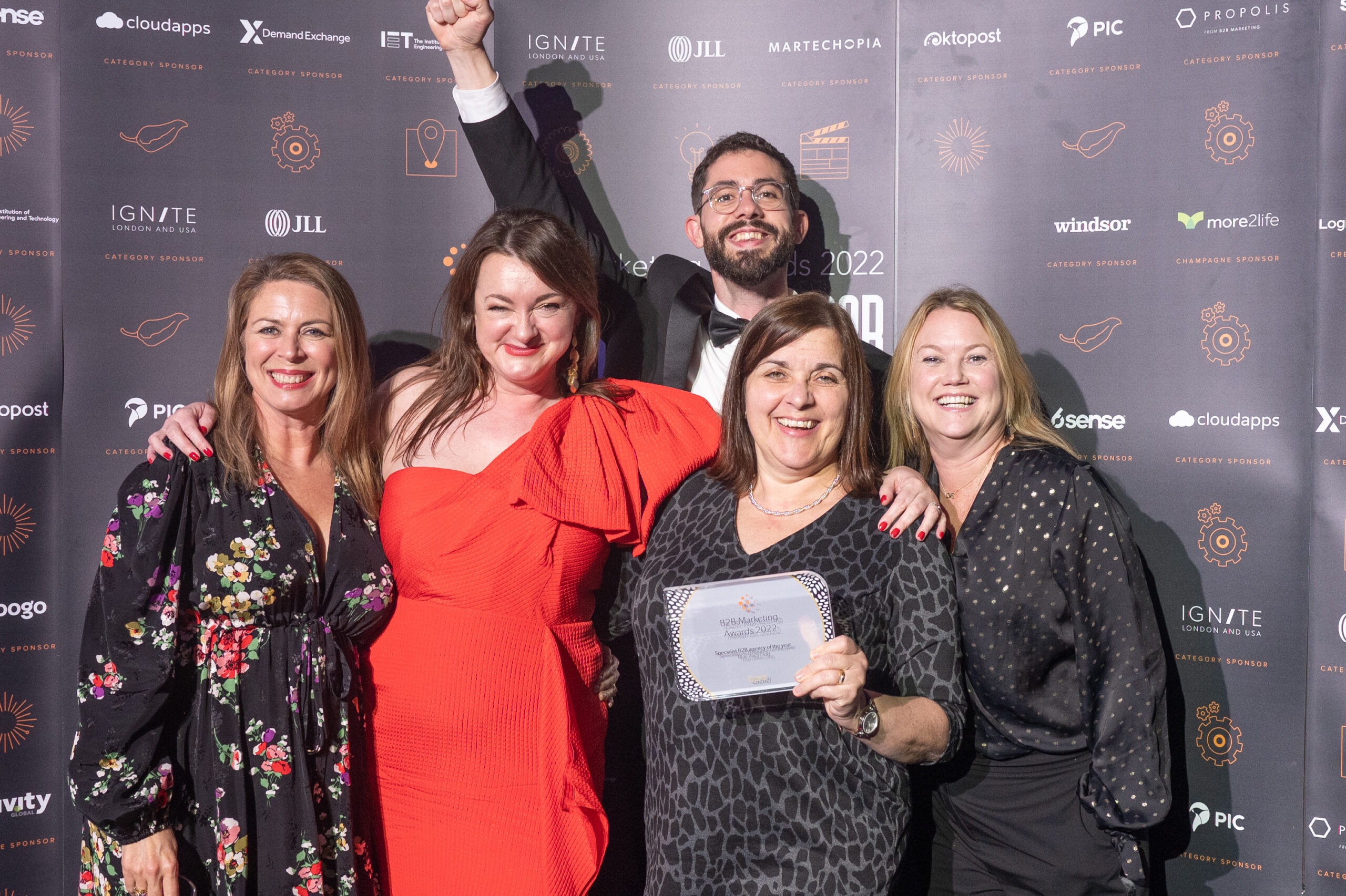
Man Bites Dog has been named Specialist Consultancy of the year in the B2B Marketing Awards.
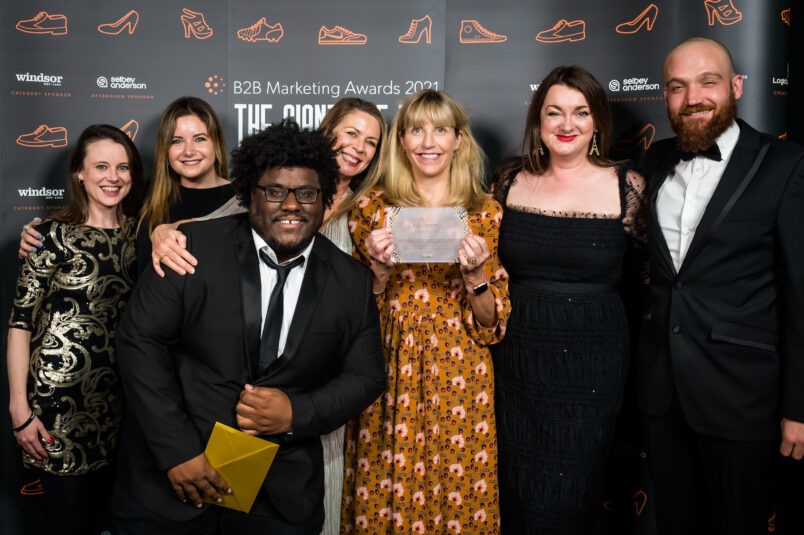
Our award-winning Zeronomics campaign for Standard Chartered is a cornerstone example of the storytelling, positioning and strategic work we do at Man Bites Dog.
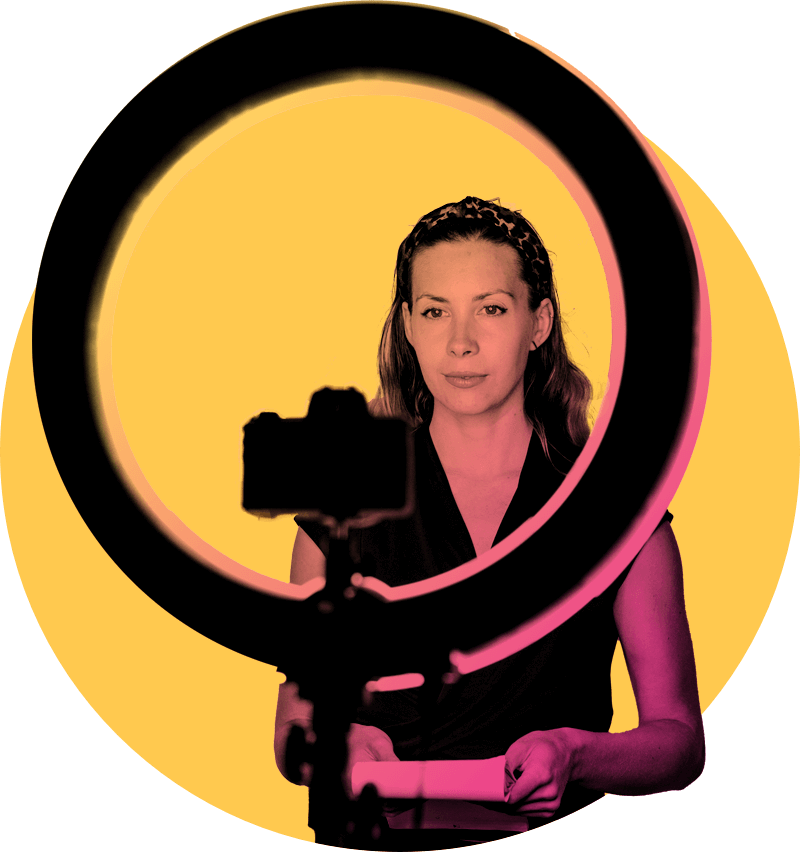
Man Bites Dog recently partnered with Women in Journalism to conduct a major new study on gender inequality in UK journalism and media.

For some years now, we have been campaigning to close The Gender Say Gap, a term we coined to highlight the invisibility of women and diverse leaders as expert authorities in business and public life.


Head Office
Moore House
13 Black Lion Street
Brighton
United Kingdom
BN1 1ND
London Office
24/25 The Shard
32 London Bridge Street
London
United Kingdom
SE1 9SG
Man Bites Dog Ltd. is a company registered in England and Wales with company number 05156769. Registered office: Moore House, 13 Black Lion St, Brighton and Hove, Brighton BN1 1ND. VAT No: GB854451518.